Florence has been on my travel list for a long time. Located in the heart of Tuscany, the city is the birthplace of the Renaissance and is full of ancient buildings and is an artistic city. From the magnificent Duomo of Florence to the stunning works of art of the Uffizi Gallery, Florence is an inspiring and unforgettable place.
As soon as I arrived by high-speed train from Milan, I was immediately surrounded by the vibrancy of the city. The typical Italy style streets and church bells made me eager to start exploring the city. When I first saw the cathedral and its beautiful dome against the blue sky, I was speechless. It was then that I realized that Florence would always hold a special place in my heart.
This tour is designed to provide you with a comprehensive guide to Florence using my own experience. Over the next four days, I’ll take you on a tour of the city’s attractions, hidden gems, and delicious cuisine. Whether you’re visiting for the first time or coming back again, this guide will help you discover the best of Florence and create an unforgettable journey to one of the world’s most exciting cities.
Table of Contents
Day 1: Arrival and Initial Exploration
Morning: Arrival and Checking In
Emerging from the centrally located train station, I made my way to the hotel—a charming B&B nestled in the heart of Florence’s historic center. Opting for a central location proved strategic, not only saving precious travel time but also allowing me to explore most of Florence’s treasures on foot. With every step through the cobblestone streets, I found myself immersed in the city’s rich atmosphere, ready to uncover its Renaissance splendors.
Afternoon: Exploring the Heart of Florence
I dropped my bags and walked down the street, eager to enjoy the old days of Florence. The city is bustling – the narrow streets are crowded with tourists and locals alike, and the smell of freshly baked bread and coffee wafts through every door.
I wandered through Piazza della Signoria and was amazed by the magnificent Palazzo Vecchio and the open-air statue gallery (including Michelangelo’s replica of David).
After a while, I was exhausted, so I walked down the quiet street to a small café. It’s like walking into a postcard – all the chit-chat, the clattering of glasses and the smell of delicious food. They brought me an instant espresso and the most delicious creamy pancake roll I’ve ever had. Sitting there and watching the crowd pass by before my eyes, I felt the rules of life in Italy – take your time and enjoy the little things. It’s a great way to start your trip to Florence.
Evening: Sunset at Piazzale Michelangelo
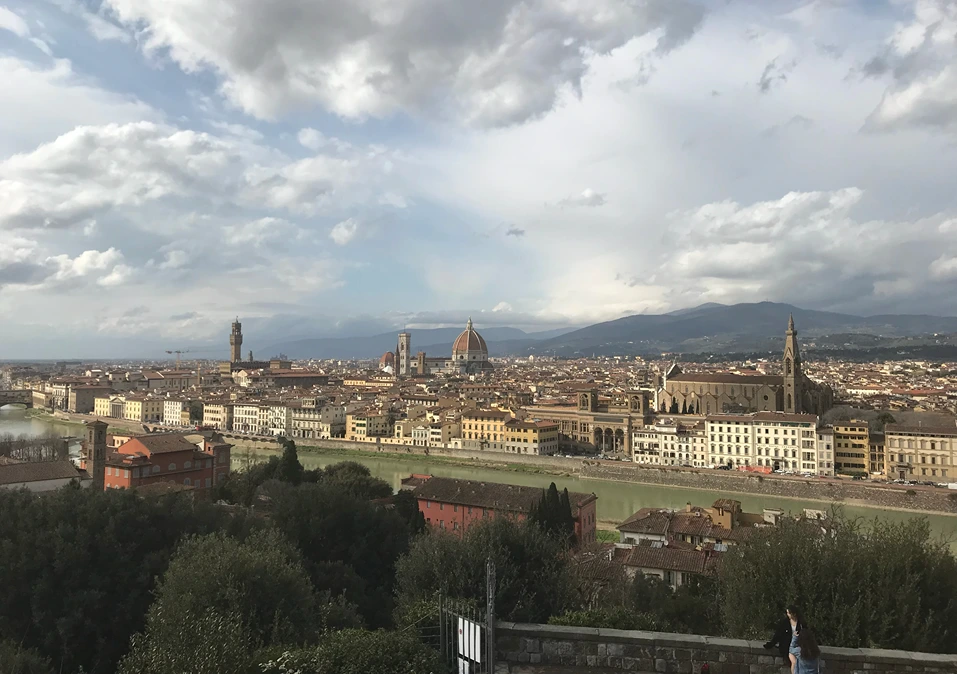
I headed to Piazzale Michelangelo, which is known for its stunning view of Florence. Along the way I crossed the Arno River and followed the gentle slope to the square, where I sat on the steps and enjoyed the panoramic view of Florence.
The buildings of the entire city are tightly connected, bathed in the golden glow of the setting sun. The iconic dome of Florence Cathedral stands proudly, while the River Arno meanders through the cityscape. The sheer beauty of this moment makes my heart surge, bringing a deep sense of calm and contentment. It was the perfect ending to my first day in this charming city.
Day 2: Delving into Renaissance Art and Architecture
Morning: Florence Cathedral (Duomo)
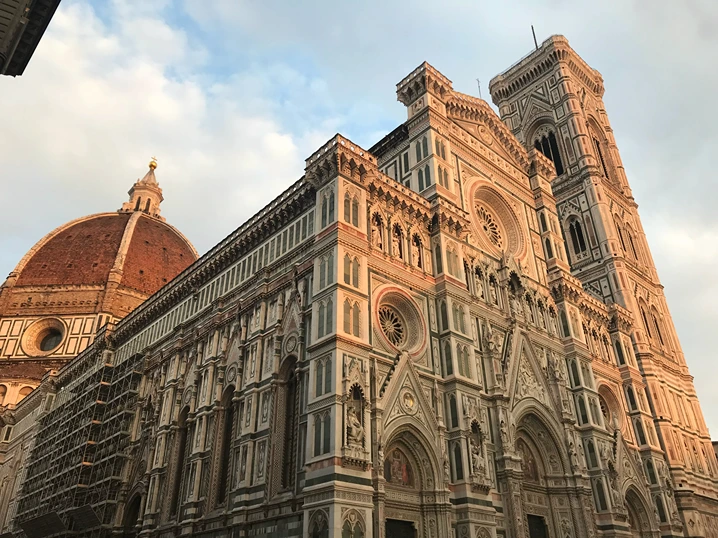
The Florence Cathedral, also known as the Duomo di Firenze, is considered the city’s most famous attraction. The cathedral, designed by Arnold di Cambio and topped by a magnificent dome designed by Filippo Brunelleschi, is a masterpiece of Renaissance architecture. Construction of the cathedral began in 1296 and took nearly 140 years to complete. The exterior of the cathedral is decorated with white, green and pink marbles and is a fine example of Gothic architecture.
Climbing the dome of the cathedral is an intense and exciting experience. Each stop gave me the opportunity to marvel at the incredible details of the dome, including Vasari’s painting of the Last Judgment. Reaching the top, the red-tiled roofs, the Arno River and the surrounding Tuscan hills provided a picturesque backdrop that made it totally worth the effort.
Afternoon: Uffizi Gallery
The Uffizi Gallery is one of the most famous art museums in the world, with an impressive collection of Renaissance art. It was founded in 1581 by Medici of Franci I and was originally the office of the Florentine magistrate (uffizi). Today, it attracts millions of visitors every year to see its masterpieces.
The Uffizi Gallery has a rich collection, and there are several works that I can’t wait to see in person. My first stop was Botticelli’s The Birth of Venus, a mesmerizing painting that depicts the goddess emerging from the sea on a shell. The painting’s exquisite detail and ethereal quality are impressive. Next, I stood in awe at Michelangelo’s Doni Tondo, a circular painting that showcases his mastery of anatomy and emotion.
The next I saw was Leonardo da Vinci’s Annunciation. The intricate details of the painting, from the angel’s wings to the lush garden, demonstrate Leonardo’s unparalleled skill and attention to detail. Another favorite of mine is Caravaggio’s Medusa, a striking depiction of the head of a mythical figure presented in a realist style that is both captivating and unsettling.
Evening: Dinner at a Local Trattoria
For dinner, I opted for a lovely restaurant in the Oltrarno district. The trattoria is known for its warm atmosphere and authentic Tuscan cuisine. The wooden decor and plush chairs were inviting.
I started my meal with the crostini topped with chicken liver pâté. The savory flavors pair perfectly with a glass of Chianti. For the main course, I chose the house specialty “fiocchetti di pera”, which is a pasta sack stuffed with pear in a creamy taleggio cheese sauce. The combination of sweet and savory was simply heavenly. To finish, I indulged in a traditional Tuscan dessert slice, cantucci with vin santo. The crunchy almond biscotti paired perfectly with the sweet dessert wine, offering a satisfying end to my meal and a true taste of local cuisine.
Day 3: Art and Relaxation
Morning: Gallery of the Academy
The Academy’s Gallery or Galleria del Academia is one of the most visited museums in Florence, mainly because it houses Michelangelo’s iconic statue David, installed in 1784 by the Grand Duke of Tuscany, Pietro Leopoldo, originally the it serves as a showcase for Academy of Fine Arts students did Today it is a treasure trove of Renaissance art and an important place for anyone interested in art.
Seeing Michelangelo’s David in person was a very moving experience. As I entered the sculpture exhibit, my eyes were immediately drawn to the tall figure. Standing over 17 feet tall, David exudes power and grace. Michelangelo’s exquisite craftsmanship is evident in every detail, from the veins on David’s hands to the form of expressions on his face. This masterpiece is carved from a single block of marble and captures the human form in an incredibly realistic way. Standing in front of the statue of David, I deeply admired the artistic genius who gave life to this marble statue.
In addition to David, there are other notable works in the Academy’s gallery. One that caught my eye was Giambologna’s “Rape of the Sabines,” a dynamic sculpture that seems to pulsate with movement and emotion. The gallery also features a collection of unfinished works by Michelangelo called “Prisoners” or “Slaves” that offer fascinating insights into the artist’s creative process.
Afternoon: Medici Chapels
As I approached Basilica of San Lorenzo, the unassuming exterior didn’t reflect much of the wonder inside. The Medici Temples, the final resting place of Florence’s most powerful family, beckoned with promises of artistic splendor and historical interest.
Upon entering, I was immediately struck by the stark contrast between the plain front and the luxurious interior. The first place I encountered was the Cappella dei Principi (Chapel of the Queens). I was mesmerized by its massive dome and walls decorated with exotic marble and semi-precious stones. The grandeur of space spoke volumes about the wealth and power of the Medici empire.
Following the signs, I made my way to the New Sacristy, the true gem of the church. Designed by Michelangelo, the space features some of his finest sculptures. The allegorical images of night and day, dawn and dusk over the tombs of Giuliano and Lorenzo de Medici are hauntingly beautiful. I wandered around the room several times, finding new information every time I passed.
Evening: Explore the Oltrarno region
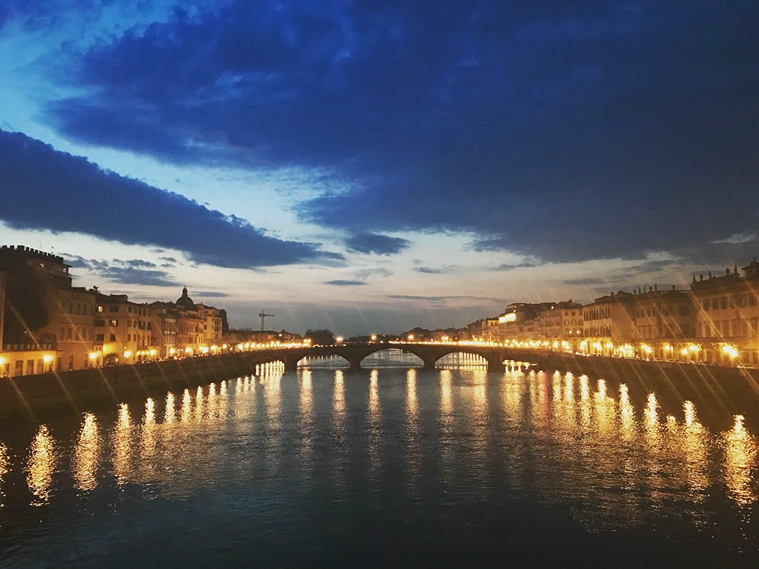
In the evening, I entered the Oltrarno region, across the Arno River from the main tourist attractions. The district is known for its bohemian vibe, artisans’ workshops and a more relaxed and authentic Florentine atmosphere.
Walking through the narrow cobbled streets of Oltrarno, I felt like I had discovered a different side of Florence. The area is home to many craft shops, where skilled craftsmen make everything from leather goods to exotic jewelry.
To end the evening on a nice note, I stopped at Gelateria La Carraia, one of the best gelato shops in Florence. Creamy and rich with pistachios and dark chocolate, it was the perfect treat after a day of exploring.
Day 4: Royal Splendor and Final Moments
Morning: Pitti Palace
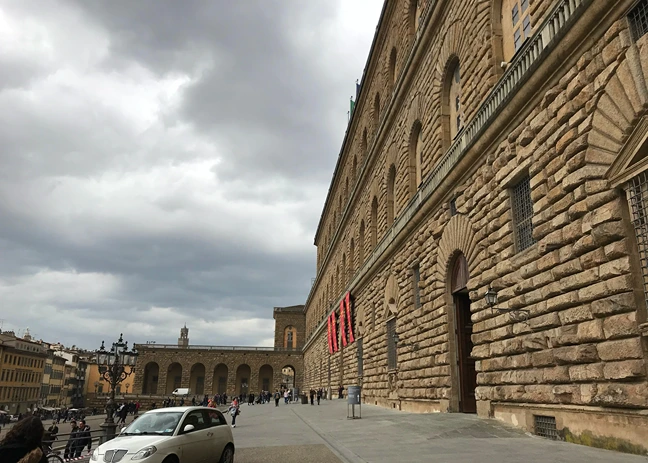
Palazzo Pitti is a symbol of the Florentine royal history and the power of the Medici family. Originally built in the 15th century for the wealthy banker Luca Pitti, the palace was later bought by the Medici family, who turned it into their main residence. Now this magnificent castle serves as an important museum and gallery and is a must-visit for art lovers.
I was immediately struck by the opulence of the Royal Apartments. Each room’s ornate furniture, painted ceilings and priceless works of art transported me to a world of royal splendour. I would recommend the Palatine Gallery to serious art lovers. Here, works by Raphael, Titian and Caravaggio adorn the walls in an atmosphere more like a private collection than a museum. Take your time here – it’s easy to overlook the gems in a hurry.
Afternoon: Strolling Through the Boboli Gardens
After exploring the palace, I stepped out into the sunlight of the Boboli Gardens. This vast green space is a masterpiece of landscape architecture, blending sculptural elements with natural beauty. I followed the gently sloping paths, discovering hidden grottos, elegant fountains, and panoramic views of Florence at every turn.
The gardens are extensive and hilly, but the effort is well rewarded. The Amphitheater, with its Egyptian obelisk, and the Grotto of Buontalenti with its unusual sculptures, are not to be missed.
Evening: Farewell Dinner and Reflections
For my farewell dinner I chose Osteria del Cinghiale Bianco, a lovely traditional restaurant known for its warm atmosphere and delicious Tuscan cuisine.
I started with a crostini topped with a creamy truffle spread, followed by roasted wild boar, a Tuscan specialty. The sweet and savory flavors were a culinary delight. I enjoyed a glass of Brunello di Montalcino, a strong red wine from the region. For dessert, I indulged in the classic tiramisu, and its coffee-based sponge and creamy mascarpone layer provide a sweet end to a memorable meal.
Conclusion
Florence had a profound influence on my view of travel. The seamless blend of history, art, and everyday life creates an atmosphere of sophistication and enchantment. From standing in front of Michelangelo’s statue of David to walking through the Medici church, each experience deepened my appreciation for the city’s cultural and artistic heritage. Florence made me realize the importance of slowing down, enjoying every moment and really immersing yourself in the local culture.
Olight RN2000 Review: Superior Bike Light for Night Time Adventures
Unlocking the Secrets of Dunnottar Castle: A Scottish Journey Unveiled